Start here
Is Cozumel lucha libre real?
Is lucha libre in Cozumel real wrestling, and is it good for kids? What the show is, what the ticket covers, and who it suits.
Book the Classic night ↗Quick answer
Yes and no. Lucha libre is athletic theatre: the outcomes are planned, but trained athletes perform the flips, dives and falls themselves, so it is real physical work rather than a real contest. At Barriecito in San Miguel, masked técnicos and rudos act out good against evil for about two hours. Visitors with children call it family-friendly, and alcohol is served to over-18s only.
The short answer
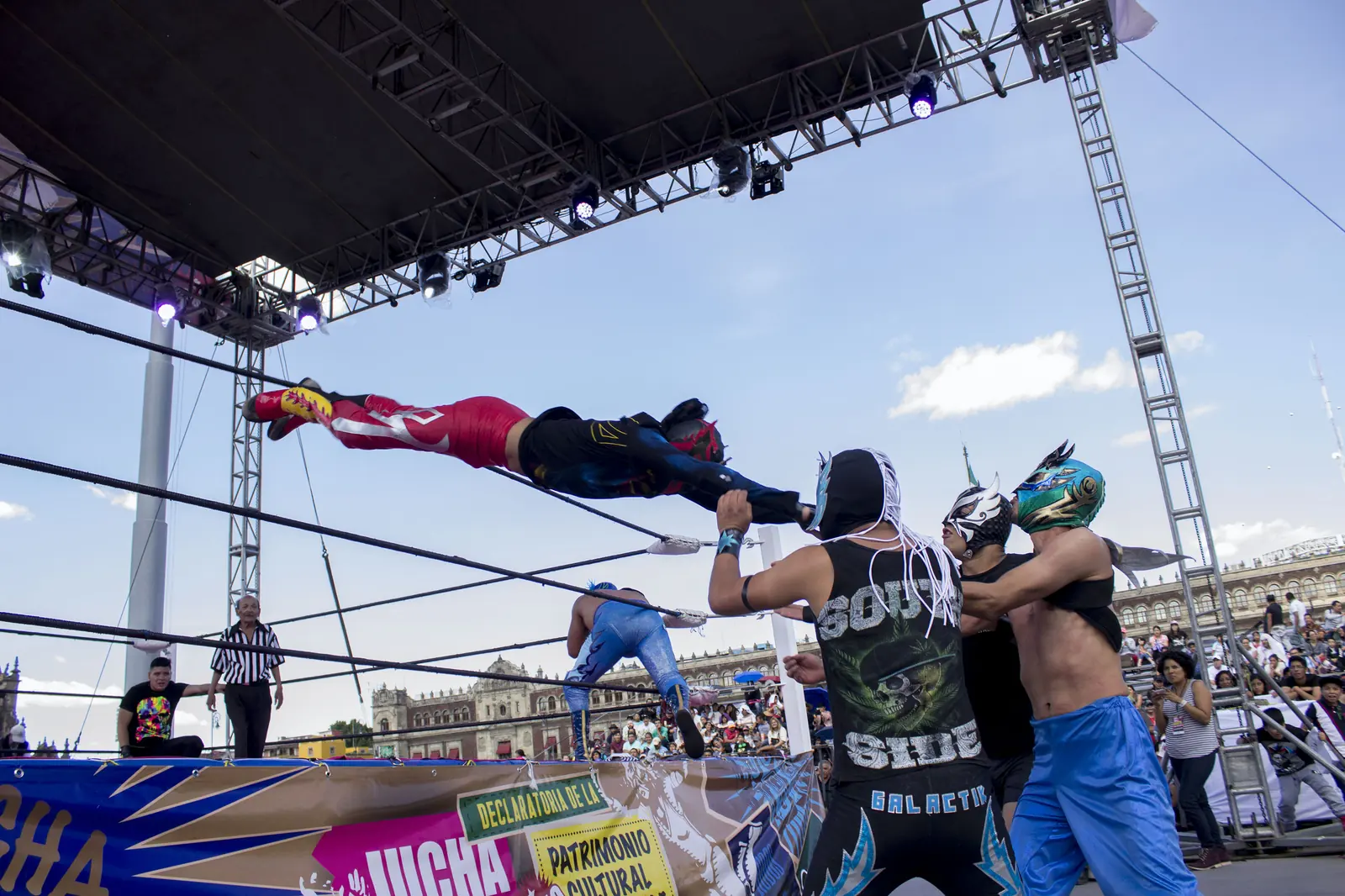
It is real in the way a stage fight is real. Wikipedia calls professional wrestling a form of athletic theater centred on mock combat, and says promoters scripted victories for charismatic wrestlers. Lucha libre is the Mexican style, with masks, rapid sequences of holds and high-flying moves. The athletes are genuine, and nobody is competing for a result. The second half of the question is easier: yes, it suits children who enjoy noise, costumes and a clear hero and villain, and it suits adults who want a lively night out.
- Real athletes, planned outcomes
- Masks, heroes and villains, and a loud crowd
- Family-friendly by visitors' accounts; alcohol for over-18s only
What the show is
It happens at Barriecito, an arena in San Miguel de Cozumel that you share with other visitors. Luchadores in masks split into técnicos and rudos, heroes and villains, and the host explains who each character is. You pick one to back and cheer from your seat.
Is it real wrestling?
Real can mean three things. Is it a genuine contest? No: Wikipedia says promoters scripted victories to please fans, and that fans came to accept this. Are the moves real? The wrestlers perform them, and Wikipedia says improvisation and choreography let them attempt more spectacular moves than a real wrestling match allows. It adds that Mexican luchadores are traditionally more agile and perform more aerial manoeuvres than American wrestlers. Is it a real Mexican tradition? Yes: Mexico City's government named lucha libre part of the capital's intangible cultural heritage in 2018. Treat it as a sport-spectacle, closer to theatre than to a boxing match.
Técnicos and rudos
Lucha libre splits its wrestlers into técnicos, the good guys, and rudos, the bad guys. Wikipedia says técnicos play by the rules, with formal styles close to Greco-Roman wrestling, while rudos bend or break the rules and tend to brawl. Rudos are still expected to follow a code of honour. The split is more marked in Mexico than elsewhere: Wikipedia notes that in the United States many technical wrestlers play villains. It also describes tag teams that pair a rudo with a técnico, which highlights the conflict between wanting to win and despising a partner. Because the Cozumel show tells a story of good against evil, expect to pick a side.
Masks and why they matter
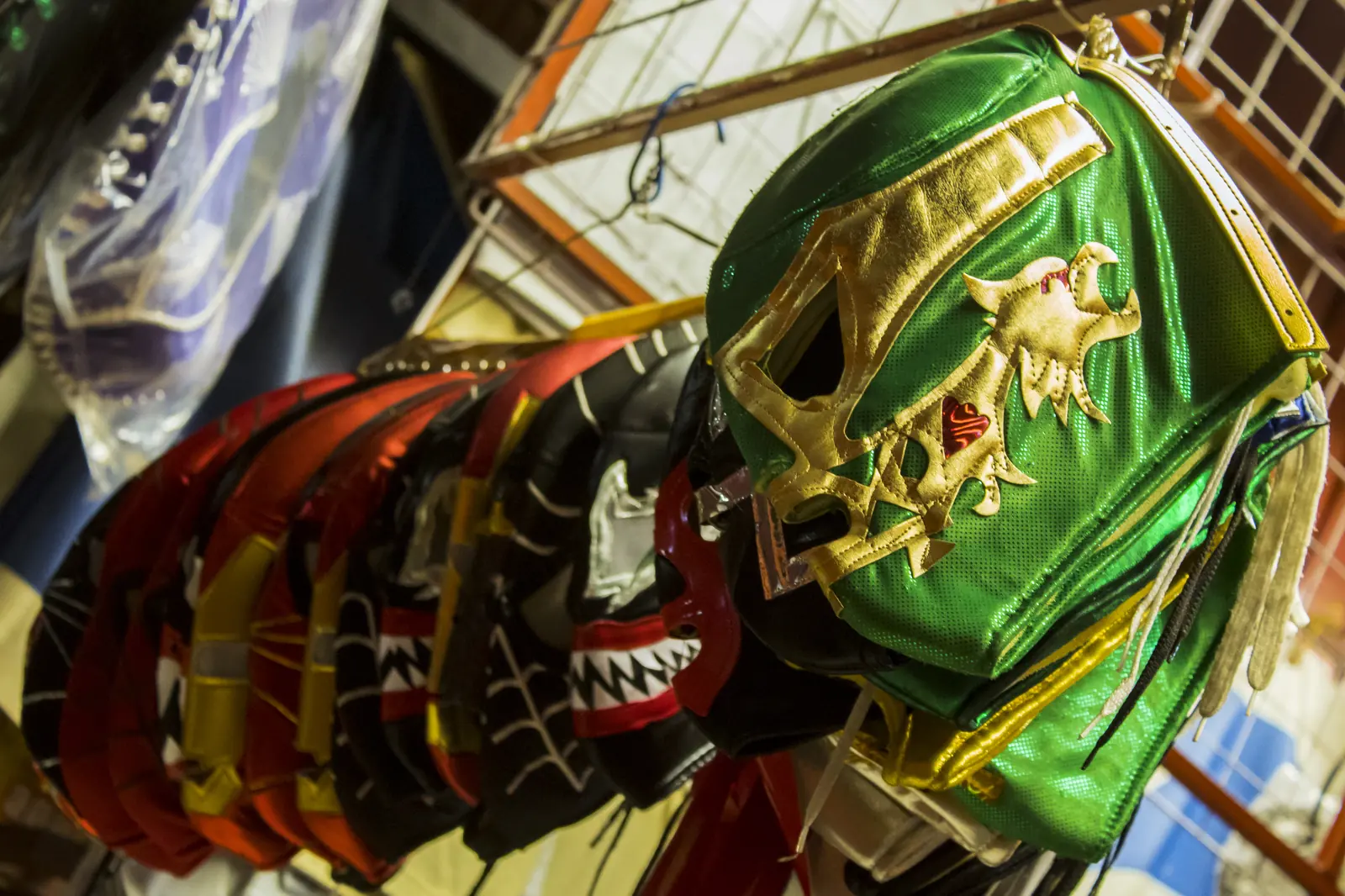
Masks are the most recognisable part of lucha libre. Wikipedia says modern masks are colourfully designed to evoke animals, gods, ancient heroes and other archetypes, whose identity the luchador takes on during a performance. It adds that the mask is considered sacred to a degree, so fully removing an opponent's mask during a match is grounds for disqualification, and that losing a mask in a wager match is seen as the ultimate insult. Masked luchadores go to great lengths to conceal their identities. Wikipedia traces the first masked wrestlers in Mexico to the 1920s, and says masks spread through the country during the 1930s. If masks fascinate you, the separate guide on them goes further.
Read next: Lucha libre masks explained
Is it good for kids?
Visitors from Canada and the US describe the show as wholesome family fun with crowd participation, and the only age rule the booking states is for alcohol. Children who like costumes, cheering and a clear hero and villain are the audience it suits. Weigh one thing: it is staged fighting, so a child who dislikes shouting crowds or mock violence may not enjoy it. The arena is shared with other guests, which means noise and crowd energy rather than a quiet seat. Wikipedia says lucha libre is considered the most popular sport in Mexico after football and boxing, so many Mexican families grow up with it. A separate guide covers families in more detail.
Read next: Lucha libre with kids
How a night is built
Lucha libre has its own habits. Wikipedia says rings lack the spring supports of American rings, so luchadores use the ropes to catapult themselves, and aerial moves are almost always performed on opponents outside the ring, with an acrobatic tumble to break the fall. It describes intricate combinations in rapid-fire succession, and says lucha libre keeps detailed weight classes patterned after boxing, with lighter, agile luchadores often more popular in Mexico than heavyweights. In many promotions matches are two out of three falls, and three-member teams, called trios, are a lucha classic. A show for visitors may shorten or change this format, and nothing here promises a particular match type on the night you go.
The rules of a match
A lucha match can be won by pinning the opponent for a count of three, by making him submit, by knocking him out of the ring for a set count, generally twenty, or by disqualification, Wikipedia says. Disqualification follows an illegal hold, a blow to the groin, outside interference, an attack on the referee, or completely ripping off an opponent's mask. Using the ropes for leverage is illegal, and an opponent on the ropes must be released from any hold. In tag matches a teammate may enter the ring when the legal wrestler touches the floor outside it, which is why the action feels so frantic.
Where it sits in lucha's history

Wikipedia dates the Consejo Mundial de Lucha Libre to 1933 and credits Salvador Lutteroth, called the father of Mexican professional wrestling, with founding it. Mexico City's biggest wrestling arena, completed in 1956, is known as the cathedral of lucha libre mexicana. Telemundo reported in July 2018 that the capital had named lucha libre a cultural heritage. A Cozumel show is not part of those institutions, but it draws on the same traditions, which is why the masks, técnicos and rudos will look familiar to anyone who has watched the sport in Mexico City. San Miguel is the island's largest city, and a ferry from Playa del Carmen lands there.
Who this isn't for
Skip it if you want a genuine athletic contest with an unknown winner. Skip it if loud crowds, staged fighting or shouting wear you down. Skip it if you want a meal, because food is not included. Skip it if you hope for a Mexico City arena atmosphere with thousands of fans: this is a shared-arena show for visitors. Skip it if you expect women or mini wrestlers on the card, since the booking does not say who appears. A few visitors found the show short, so it may not suit anyone expecting a long night.
Booking
Choose a night from the calendar; a Classic ticket covers arena entry and a welcome margarita. If you are off a ship, compare the start time with all-aboard before you commit, because the night runs about two hours. GetYourGuide bookings cancel free until a day before.
Frequently asked questions
Is lucha libre in Cozumel real wrestling?
It is real athletic theatre. The outcomes are planned, and the wrestlers perform the flips, dives and falls themselves. Wikipedia calls professional wrestling a form of athletic theater centred on mock combat.
Is it good for kids?
Visitors with children call it wholesome family fun. It is loud and staged, and alcohol is for over-18s only. Judge by whether your child enjoys costumes, cheering and mock fights.
How long is the show?
About two hours for the Classic ticket.
Is food included?
No. Food and gratuities are not included. The Classic ticket includes entry and a welcome margarita for guests over 18.
Is it wheelchair accessible?
Yes, the booking marks the venue as wheelchair accessible. Pets and smoking are not allowed.
Where is it?
At Barriecito in San Miguel de Cozumel, in an arena shared with other guests. Your confirmation gives the exact address.
Sources